


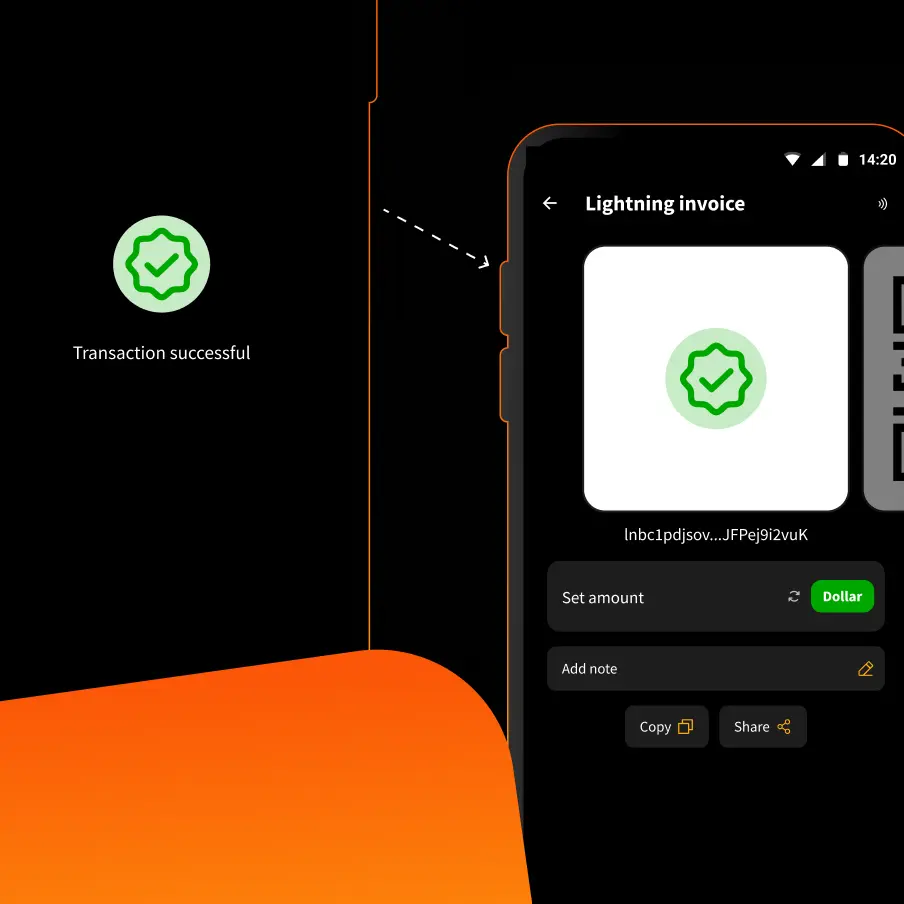
Transactions between two Blink users in Custodial Mode are processed intraledger without any additional charges.
Transactions between Custodial Mode and Non-Custodial Mode, or between two Non-Custodial Mode users, may incur network fees depending on the protocols involved. When sending bitcoin to external wallets, regular network fees may apply depending on the type of transaction (on-chain, Lightning, or Spark).
Blink supports transactions on both the Lightning Network and the Spark protocol. Lightning transactions in Custodial Mode have a success rate above 99.98%. Spark transactions in Non-Custodial Mode are processed peer-to-peer through the Spark network. We continuously monitor routing, liquidity, and connectivity across both protocols to keep transactions fast and reliable.
The transaction fees vary depending on the type of transaction.

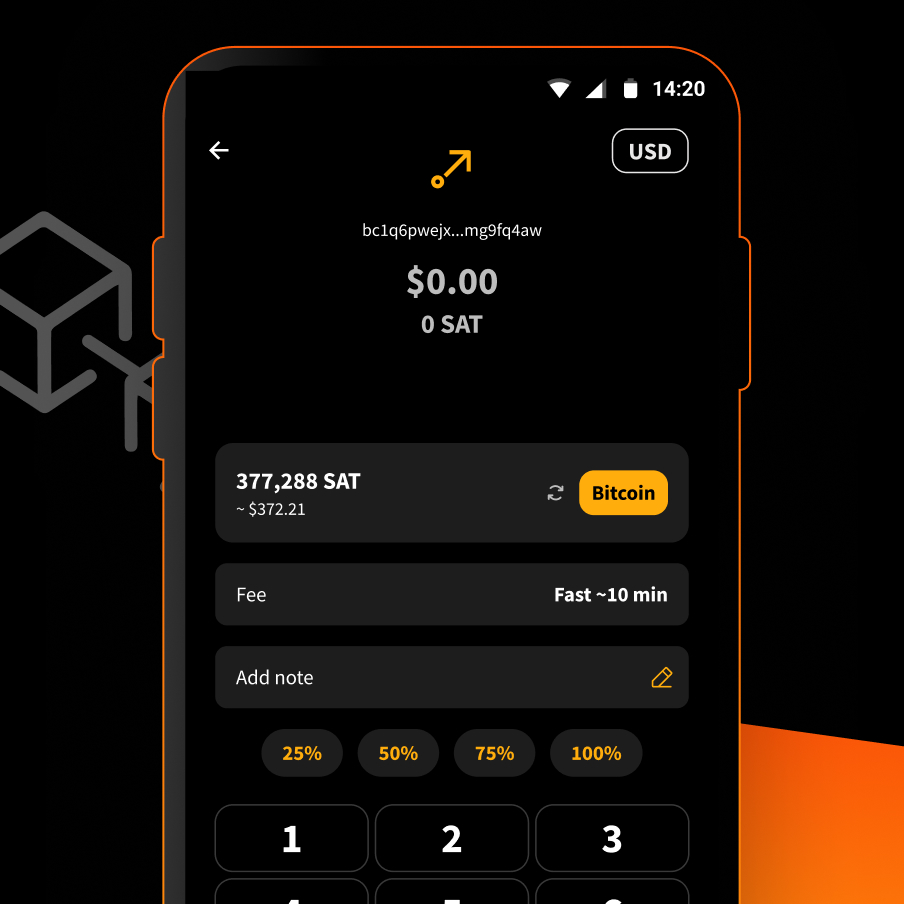
On-chain deposit and withdrawal fees vary.
When on-chain transaction fees rise and your transaction doesn't get confirmed in the next 6 blocks after broadcast, Blink works its magic by automatically boosting your transaction's fee using Child-Pays-For-Parent in the next batch (Blink pays the difference).
You can always find the latest fee details on the FAQ
The Dollar Balance is a USD-denominated balance feature in your wallet. In Custodial Mode, Dollar Balance is powered by Stablesats. In Non-Custodial Mode, it uses supported stablecoins. See the Terms and Conditions for risks associated with the Dollar Balance.


Please check out our FAQ page where we deep dive into greater detail. If you have any other questions, reach out to our team
Start receiving and sending bitcoin now


